By Saidu Jalloh, D.S. Reporter
The Guma Valley Water Company (GVWC), supported by the African Legal Support Facility (ALSF) of the African Development Bank (AfDB), has successfully concluded a three-day Public-Private Partnership (PPP) training workshop aimed at bolstering Sierra Leone’s water infrastructure. The workshop took place from March 2-4, 2026, at the Swiss Hotel in Freetown, gathering senior representatives from various public institutions involved in infrastructure policy, regulation, procurement, and project implementation.
Key institutions at the training included the Ministry of Finance, the PPP Directorate at the National Investment Board, the Electricity and Water Regulatory Commission (EWRC), and other relevant bodies. This initiative forms part of the government’s broader effort to modernize the water sector and attract private investment through sound PPP frameworks.
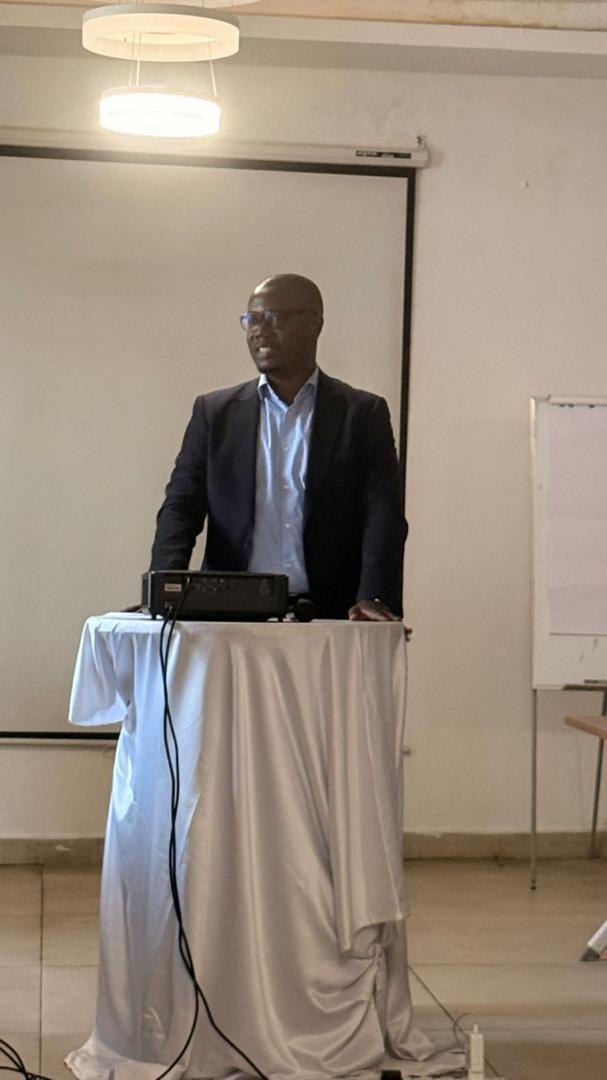
During the workshop, participants delved into essential PPP concepts, project structuring, procurement processes, and financing models necessary for executing large-scale infrastructure projects. Expert facilitators, including international PPP specialists, guided the sessions, which featured practical case studies and model documents tailored for the Mountain Communities Bulk Water Supply Project.
Guma Valley Water Company’s Managing Director, Ing. Mariwan Kallon, emphasized the importance of transitioning from theoretical knowledge of PPPs to practical implementation, stating that while the concept has been discussed extensively, real-world applications in Sierra Leone remain limited.
“In the past, our understanding of PPPs, especially in the water sector, has been primarily theoretical,” Kallon said. “We need the practical skills to effectively negotiate with international partners and implement viable projects.”
The workshop also highlighted the collaborative nature required for effective water service delivery, bringing together multiple government sectors.
Deputy Managing Director Ing. Prince Moore-Sourie pointed out that the PPP model offers a unique opportunity to mobilize private capital for significant water infrastructure projects, which the government may struggle to finance alone.
“This is the first time a water service provider in Sierra Leone is actively pursuing private sector participation for infrastructure projects,” he noted, underscoring the importance of ensuring that agreements protect public interests while enabling private investment.
The Mountain Communities Bulk Water Supply Project is set to serve as a pilot initiative, benefiting communities such as Regent, Gloucester, Leicester, and others. It aims to expand water supply infrastructure in the Western Area, with plans for multiple dams to meet increasing demand.
Representatives from the ALSF stressed their commitment to supporting the Sierra Leonean government in structuring the project, reviewing legal frameworks, and building institutional capacity.
The project is structured as a 27-year PPP, expected to improve access to safe and reliable water for more than 300,000 residents.
Experts involved in the training discussed the strengths of Sierra Leone’s PPP legal framework and the need for a balanced risk allocation to attract credible private investors while ensuring public accountability.
The workshop concluded with a collective commitment among participants to apply their newfound knowledge to advance the Mountain Communities Bulk Water Supply Project, which holds the potential to revolutionize water service delivery and serve as a model for future partnerships in Sierra Leone’s ongoing water sector reform.
For further inquiries, please contact Daily Scope Newspaper at dailyscopemedia@gmail.com.