By: Kadijatu Bangura, Daily Scope Reporter
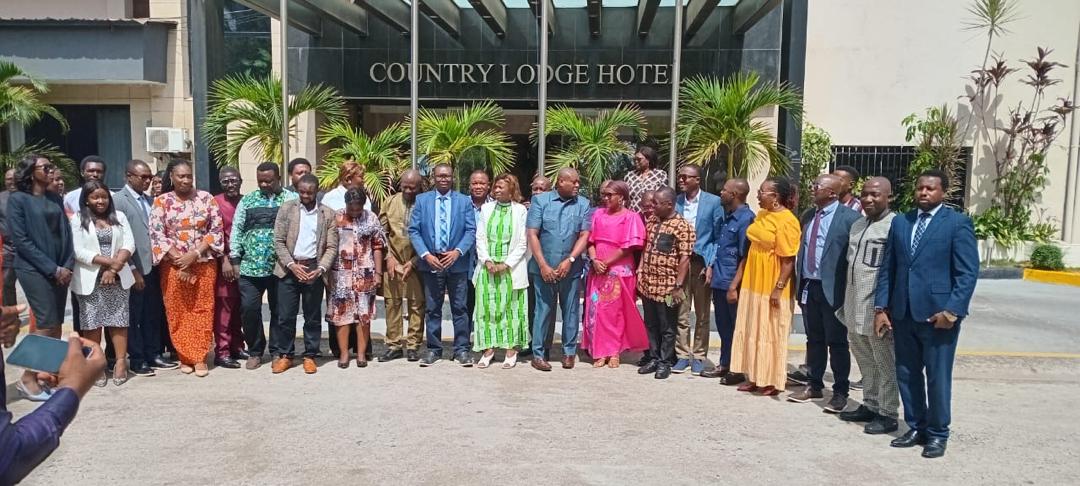
The Ministry of Planning and Economic Development opened a two-day inaugural meeting of its Public Investment Management Technical Committee on Thursday at the Country Lodge Hotel, Hill Station.
Minister Kenyeh Barlay told delegates that Sierra Leone had made significant progress in strengthening public sector governance, but stressed that “it is no longer business as usual.” She cited shrinking fiscal space, debt distress, and weak budget credibility as key challenges facing the country.
Barlay said MoPED was aligning its programs with Sierra Leone’s Medium Term National Development Plan and working with the World Bank and IMF to introduce technical guidelines for new projects. The aim, she said, is to ensure projects are implemented only when funding is available and to improve efficiency and transparency.
“As gatekeeper, MoPED must ensure that public investment delivers value for money,” she said. The ministry, she added, would work closely with the Ministry of Finance to eliminate waste, address stalled projects, and set new standards for project execution.
Development Secretary Ambrose James said the committee’s work began in 2024 and would focus on legal and technical reforms needed to improve project delivery. He said the committee, supported by the World Bank, would prioritize three sectors: water, electricity, and roads.
James outlined a process to rationalize, retain, extend, exit, or streamline existing projects. He stressed that priority investments, particularly those linked to poverty reduction, must be productive and economically viable. He thanked the World Bank and IMF for their technical support.
Finance Secretary Matthew Dingie acknowledged persistent challenges in implementing capital projects, particularly in infrastructure, due to budget constraints and donor timelines. He noted that projects often enter the budget mid-year, leading to cost overruns and delays.
“Some projects triple in cost before completion,” Dingie said. He called for stronger analysis and empirical evidence before projects are approved and urged stakeholders to avoid overspending and late disbursements.
Dingie said the government would prioritize projects that can be funded domestically without straining the budget, while noting that the private sector has shown interest in transport and road projects with predictable revenue streams.
The meeting featured presentations on the Medium Term National Development Plan by Dr. Sheka Bangura, Director of PPR at MoPED; the role of the public investment program in the macro-fiscal framework by Alimamy Bangura, Chief Economist at the Ministry of Finance; and a session on PIM regulatory instruments and alignment of national planning with public investment management.
For more information contact Daily Scope Newspaper at dailyscopemedia@gmail.com