By Joseph Momoh, Reporter, D.S
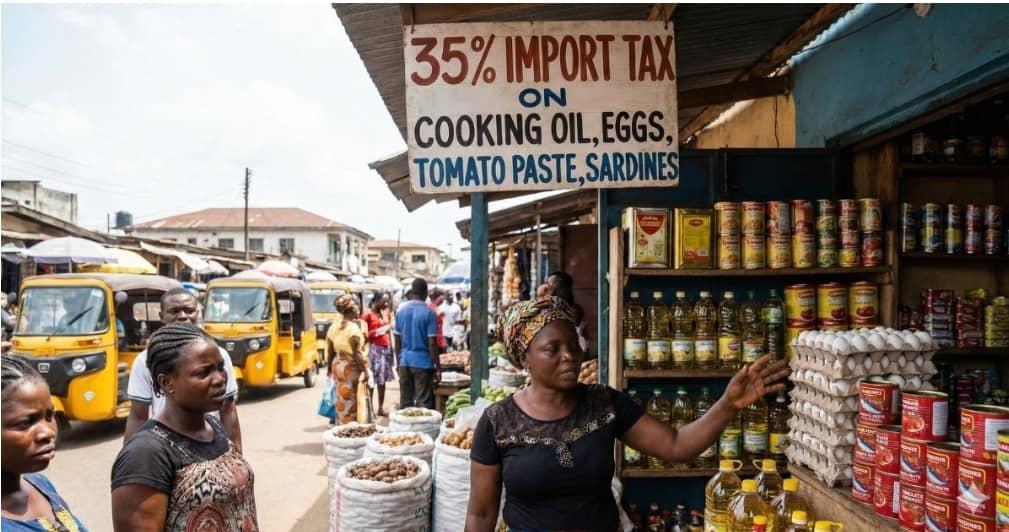
The Government of Sierra Leone has announced a significant increase in import tariffs on essential food items, implementing a 35% tax on cooking oil, eggs, tomato paste, and sardines as part of the 2026 National Budget.
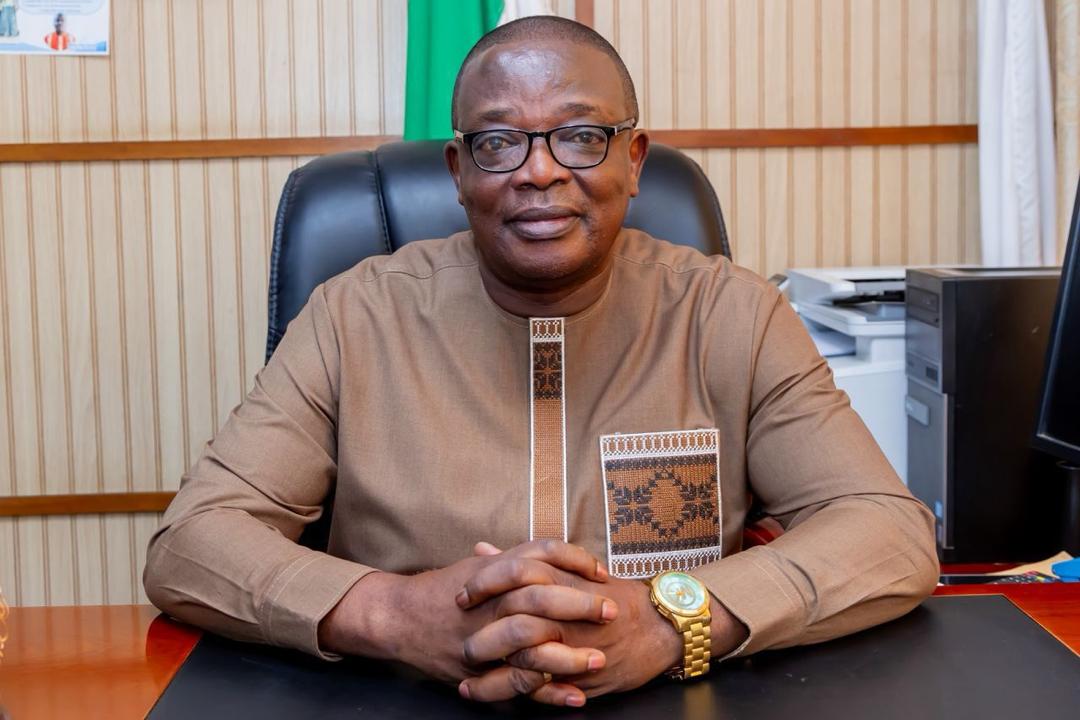
Financial Secretary Matthew Dingie disclosed the new fiscal initiative during a press conference at Lacs Villa on November 28, 2025. He stated that the tax increase is a protective measure aimed at strengthening domestic manufacturing and reducing dependence on imported goods. Dingie highlighted that local production has expanded to meet a substantial portion of consumer demand, with an estimated 50-60% of daily condiments now produced locally.
“To promote further growth in local manufacturing, a 35% import tax will now apply to these goods,” Dingie explained, adding that the measure is anticipated to create jobs as part of the government’s goal of generating 500,000 youth jobs under the ‘Big Five’ agenda.
This tax strategy is a key element of the 2026 Budget, which is centered on “Domestic Revenue Mobilization.” Dingie emphasized the need for the country to move towards self-sufficiency, particularly as global aid is on the decline. “Aid is slowing down globally,” he noted. “This means we must harness our own resources and support our own development programs.”
While this new tax increases costs for imported food items, it also reduces barriers for energy products, with Dingie announcing that solar equipment and LPG gas canisters will now be zero-rated for import tax, helping make clean energy more accessible.
Describing the 2026 fiscal plan as a “Pro-People Budget,” Dingie affirmed that it aligns with President Julius Maada Bio’s directive to focus on the needs of Sierra Leoneans. The budget includes significant support for the “Feed Salone” agricultural initiative and allocates approximately $50 million for the expansion of the School Feeding Programme. Additionally, the government has promised continued subsidies for schools and new incentives aimed at accelerating digital transformation, including backing for the Felei Tech City in Bo.
“The 2026 budget is designed to protect vulnerable populations, stimulate economic growth, and ensure that national development prioritizes citizens and sustainability,” Dingie concluded.
For inquiries, please contact the Daily Scope Newspaper at dailyscopemedia@gmail.com.