By Joseph Momoh, D.S. Reporter
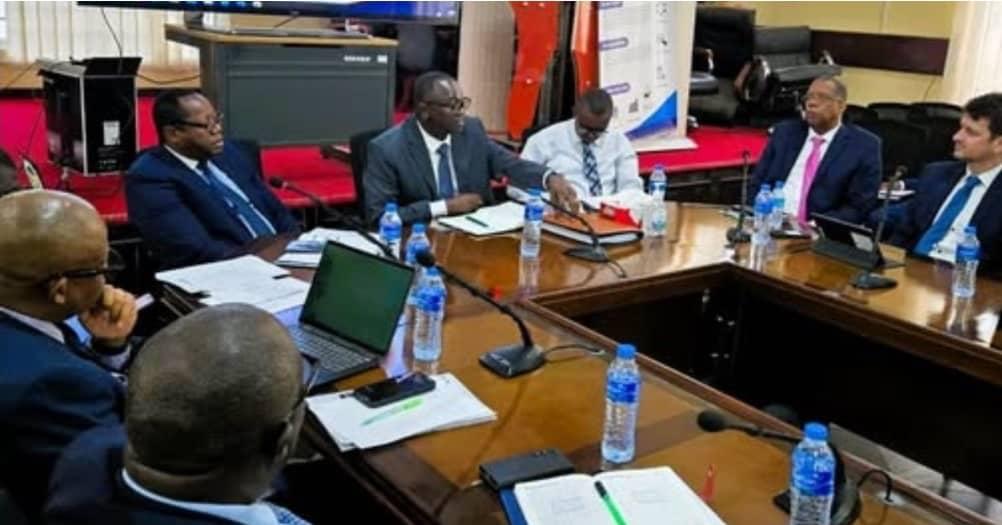
The United Nations Office for Project Services (UNOPS), in partnership with Sierra Leone’s Ministry of Energy and funded by the Government of Japan, officially concluded the Project for Enhancing the Impact of Rural Renewable Energy on February 27, 2026. The closing ceremony took place at the UNDP Conference Room in Freetown.
Initiated in 2021, this significant project aimed to enhance access to reliable and sustainable electricity within six communities in the Bo District through the installation of solar power plants and distribution networks. During the ceremony, Hiroshi Yoshimoto, Japan’s Ambassador to Sierra Leone (based in Ghana), commended UNOPS and the Ministry of Energy for the successful implementation of the initiative. He highlighted the project as a testament to effective collaboration and partnership among stakeholders.
Ambassador Yoshimoto noted that the solar power installations not only provide dependable electricity but also represent a significant investment in the wellbeing of local communities. He emphasized the enduring friendship between Japan and Sierra Leone, stating that the outcomes of this project demonstrate the potential for shared development when nations work together.
“The initiative marks a meaningful step towards inclusive development as Sierra Leone advances its electricity sector reform agenda,” he remarked. The Ambassador reiterated Japan’s commitment to supporting Sierra Leone’s economic growth and public service delivery through infrastructure development.
Dr. Abdul Rahim Jalloh, Deputy Minister of Energy II, expressed his honor in witnessing the project’s closure and highlighted the critical need for rural electricity access in Sierra Leone, currently at only five percent. He pointed out that the installation of six solar photovoltaic mini-grids will directly benefit more than 15,000 individuals in communities such as Naiagolehun, Petewoma, and Serabu, among others.
Dr. Jalloh elaborated that this project transcends basic infrastructure, as reliable renewable energy will significantly improve the functionality of health facilities and schools while driving economic growth. This initiative aligns with national climate commitments by reducing reliance on fossil fuels.
The Deputy Minister also referenced the Ministry of Energy’s Mission 300 and the MCC National Energy Compact, which aim to boost national electricity access from 36 percent to 78 percent by 2030. He assured stakeholders that the Ministry, along with private sector partners, is committed to ensuring the ongoing operation and maintenance of the facilities for long-term sustainability.
Project Manager Mohamed Suaib Sesay acknowledged the vital partnership between UNOPS and the Ministry of Energy and outlined the successful construction of six solar mini-grids and their distribution networks. Stressing the importance of these efforts, Sesay described energy as the “golden thread” that connects all developmental goals.
As the project wraps up its five-year renewable energy initiative, aimed at expanding access to clean electricity in rural Sierra Leone, emphasis has been placed on sustainability. “We are not leaving behind stranded assets; we are leaving behind a living system,” he stated, confirming that private operators will be engaged under a structured operational framework to ensure long-term viability and professional management.
For more information, contact Daily Scope Newspaper at dailyscopemedia@gmail.com.