By Saidu Jalloh, Reporter, Daily Scope
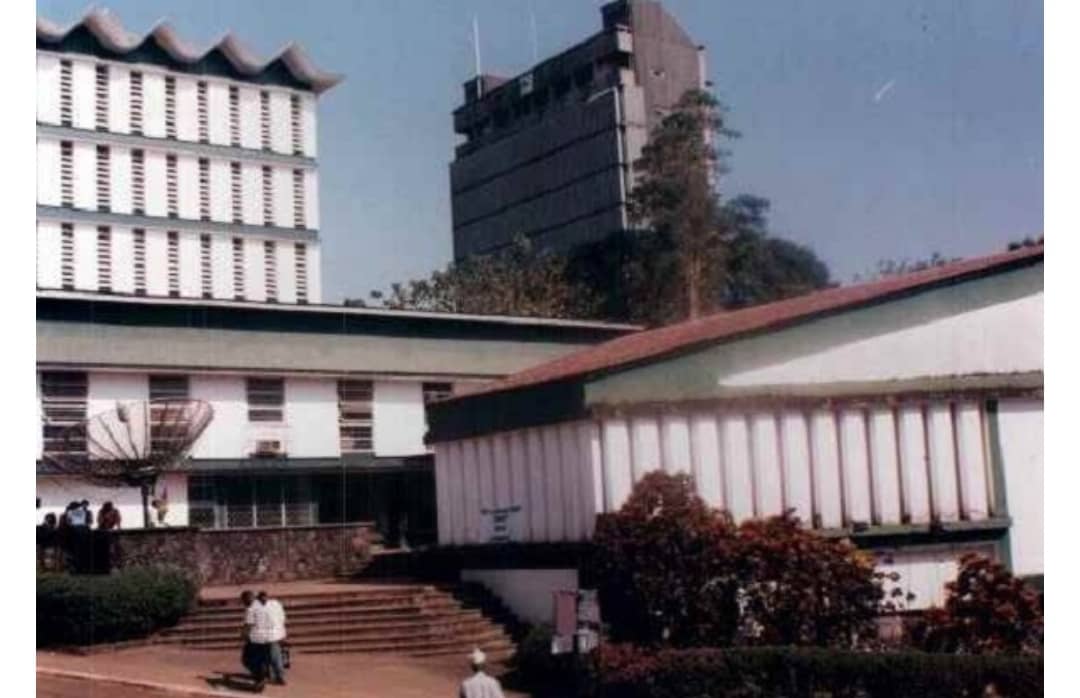
In a startling revelation, a recent investigative report has uncovered extensive financial and procurement irregularities at the University of Sierra Leone (USL), prompting urgent calls for a forensic audit. The findings, presented to the court on January 30, 2025, were unanimously adopted, mandating immediate implementation of the recommendations.
The investigation, which examined the years 2021 to 2023, focused on USL’s constituent institutions—Fourah Bay College (FBC), the Institute of Public Administration and Management (IPAM), and the College of Medicine and Allied Health Sciences (COMAHS). It brought to light significant lapses in financial management, procurement practices, and human resource protocols that raised alarms among stakeholders.
Financial mismanagement emerged as a central theme in the report. USL was found to have failed in its obligation to submit complete and audited financial statements for the specified years, violating the Universities Act (2021). Among the most troubling findings was a discrepancy of Le6.5 billion, with no clear records to explain the missing funds. Compounding these issues was the ineffective implementation of the SAGE 300 accounting system, originally intended to enhance financial reporting, which suffered due to inadequate staff training.
The investigation also highlighted procurement breaches, revealing that USL had violated National Public Procurement Authority (NPPA) regulations. Notably, an unauthorized purchase of a $126,000 vehicle was flagged. The report pointed out that the Business Centre, intended for auxiliary services, had acted as both supplier and procurement facilitator, creating significant conflicts of interest.
In terms of human resources, USL exhibited critical failures, including a lack of formal job descriptions, structured performance evaluations, and standardized recruitment processes. Additionally, poor record management and unstructured leadership transitions exacerbated the university’s operational inefficiencies.
The report further detailed a governance breakdown, noting that non-functional audit and procurement committees allowed financial transactions to go unchecked. Weak coordination between USL’s central administration and its campuses contributed to operational inefficiencies, leaving the institution vulnerable to mismanagement.
Another concerning finding was the mismanagement of research grants. University officials were unable to provide data on grants worth millions, raising serious questions about transparency and the potential for misuse of funds.
In response to these findings, the report outlined several key recommendations. It called for a comprehensive, independent forensic audit to investigate the missing Le6.5 billion and all research grants. Additionally, USL is required to submit overdue audited financial statements and improve the SAGE 300 system through reconfiguration and targeted staff training.
The report also advocated for procurement reform and a governance overhaul, recommending the establishment of a centralized procurement committee to ensure compliance with NPPA guidelines and eliminate conflicts of interest. It urged the reconstitution of functional audit and procurement committees and improved coordination between central administration and campus operations.
Finally, the report suggested a revamp of human resources and oversight of research grants. It advised implementing merit-based recruitment and promotions, formalized staff training programs, and re-establishing a Research and Documentation Office to ensure compliance with financial regulations.
This investigative report paints a troubling picture of systemic failures in governance, financial accountability, and procurement at USL. If the recommendations are enacted, they could pave the way for greater transparency, enhanced institutional oversight, and a potential repositioning of USL as a leading center of academic excellence. The pressure is now on university officials and the government to act swiftly to restore credibility and ensure accountability.
For more information, contact Daily Scope Newspaper at dailyscopemedia@gmail.com.