By Joseph Momoh, DS
Encroachment is eating away at the Western Area’s water future. As Sierra Leone marks World Environment Day 2026 under the theme “Inspired by Nature. For Climate. For Our Future,” Guma Valley Water Company has warned that Freetown’s main water sources are collapsing under pressure from deforestation and illegal settlements.
A GVWC assessment conducted December 4, 2025 to January 8, 2026 reveals alarming destruction across the Peninsula’s critical watersheds. Forest cover is disappearing and buildings are advancing within meters of dams and weirs that supply the capital.
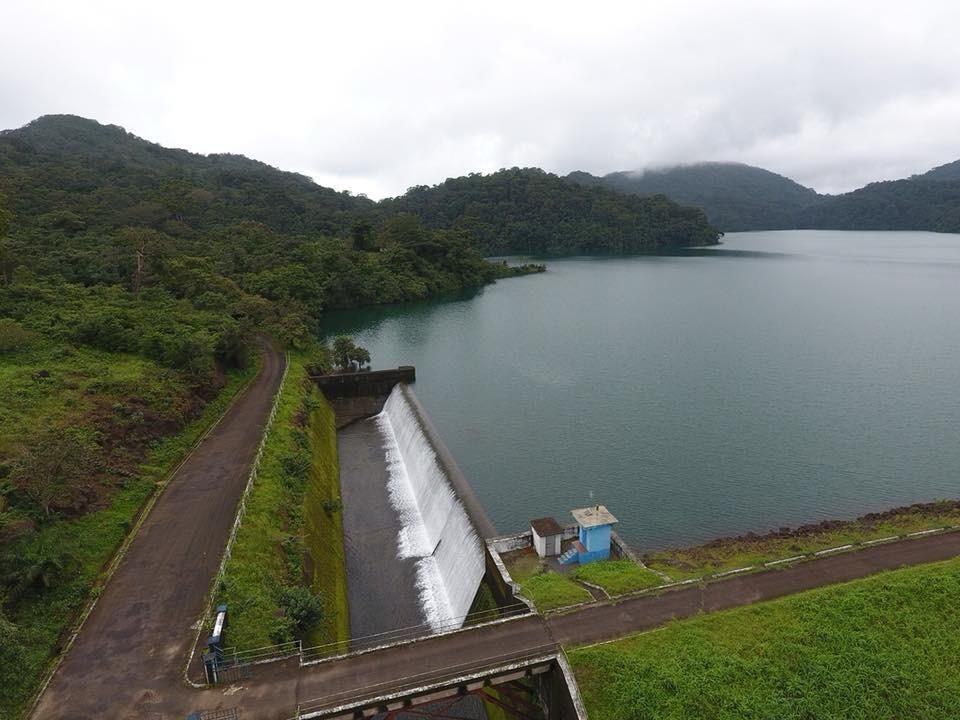
For 60 years, Guma and Kongo Dams have delivered potable water to Freetown and its environs. Both depend entirely on healthy forests within the Western Area Peninsula National Park. That protection is now failing. Forest loss around Mile 13, Baw Baw, No. 2 River and Tacugama has allowed human settlements to creep dangerously close to water infrastructure.
Smaller catchments are suffering worse. Angola Upper and Lower Weirs are ringed by new construction. Mamba Ridge has been severely degraded. Charlotte Weir has stopped functioning as a water source due to massive tree loss. Hastings, Thunder Hill, White Water at Botanical Garden FBC, and Blue Water in Wellington also show heavy vegetation loss.
The damage extends beyond supply. GVWC recorded bacteriological contamination in several sources linked to human activity near catchment areas. This increases treatment costs and threatens public health.
The impact reaches far beyond taps. Loss of forest cover reduces groundwater recharge, weakens stream flows, increases sedimentation and flooding, and erodes climate resilience. Biodiversity loss accelerates as habitats disappear.
GVWC says catchment protection is not only an environmental issue. It is a water security issue, a public health issue, and a national development issue. The company is calling on government agencies to enforce existing laws, halt illegal encroachment, and treat catchment destruction as a threat to national security.
Communities must also act through tree planting, watershed restoration, sustainable farming, proper waste disposal, and local monitoring. Public education should reinforce the direct link between healthy forests and reliable water supply.
Investment is urgently needed for reforestation, catchment restoration, monitoring systems, and climate-resilient infrastructure to secure long-term water supply.
“Water begins in the forest,” GVWC reminded citizens. “The future of water in the Western Area will be determined by the choices we make today.”
With population growth and environmental pressure rising, officials warn that losing these catchments is a cost Freetown cannot afford.
For more information contact Telescope Newspaper at dailyscopemedia@gmail.com