By Kadijatu Bangura
D.S. Reporter
FREETOWN – The United States is signaling a shift from aid to trade as it negotiates a potential Critical Minerals Agreement with Sierra Leone, with senior officials indicating that investment and development financing will be used to advance American commercial interests.
Speaking during his confirmation hearing before the U.S. Senate Foreign Relations Committee, Ambassador-designate Daniel Travis said he would deploy “the full range of U.S. government tools” to support reforms and deepen economic ties.
He pointed to the $480 million Millennium Challenge Corporation compact and investments by the U.S. Development Finance Corporation as central to that strategy. The MCC program focuses on electricity sector reforms and is expected to unlock private-sector power generation, including the DFC-backed Nant Energy project.
“Where governance falls short and American interests are affected, I will raise those concerns directly and privately with Sierra Leonean leadership. That is the basis of a productive relationship, and it is the approach I will bring to Freetown,” Travis said.
The remarks reflect Washington’s broader reset in Africa policy.
“The United States is moving away from aid and dependency toward trade, investment, and mutual benefit. Sierra Leone is a place where that vision can deliver real results, and if confirmed, I intend to make it happen,” he told the committee.
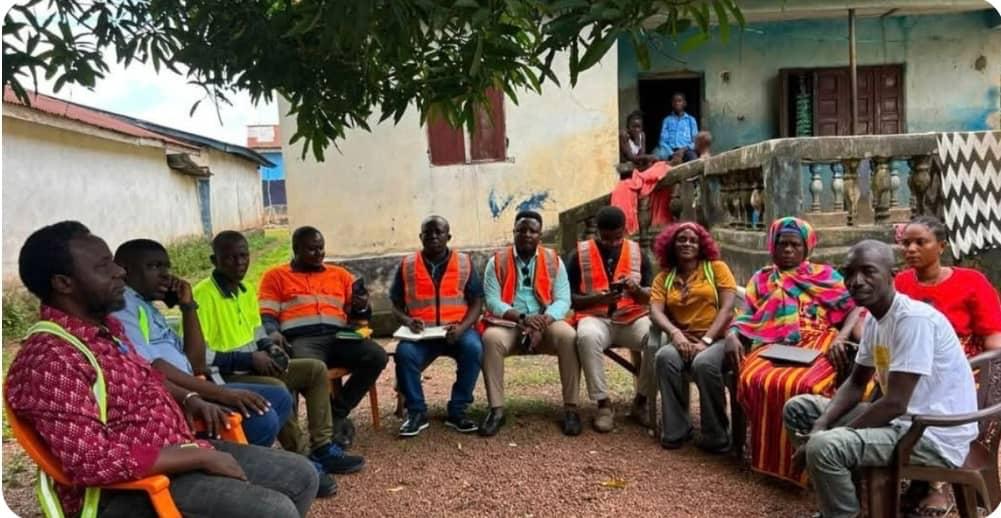
In Freetown, government has already begun laying groundwork. Minister of Mines and Mineral Resources Daniel Mattai and other officials recently met on the Freetown Peninsula to discuss the CMA and prepare a proposal for the U.S.
A government source said a U.S. delegation was in Freetown from July 26–29 to discuss the agreement. The U.S. Embassy, however, disputed the claim.
“A U.S. delegation travelled to Sierra Leone on June 26–29 to discuss commercial relations. The visit was unrelated to critical minerals,” the Embassy told Truth Media.
The Ministry of Information and Civic Education confirmed that negotiations are ongoing but said no agreement has been finalized.
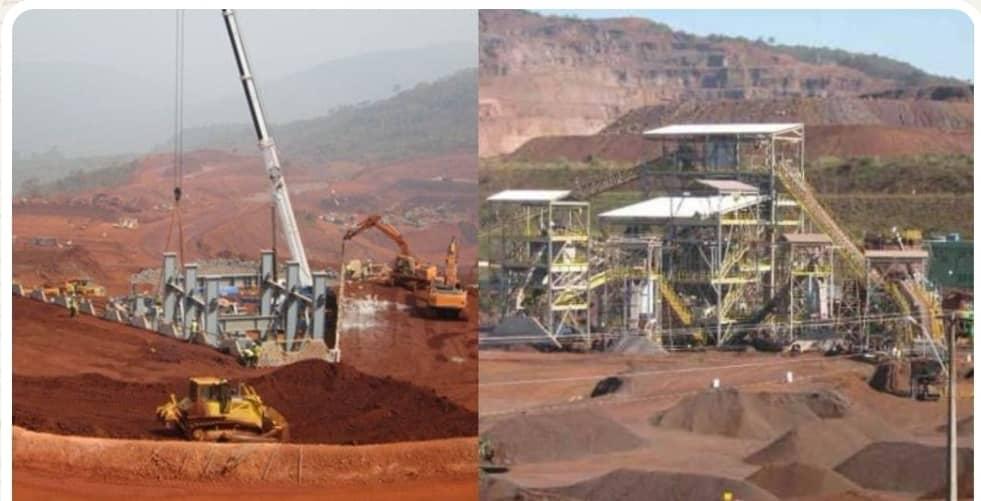
If concluded, the CMA would place Sierra Leone’s reserves of rutile, bauxite and other critical minerals at the center of U.S. efforts to build alternative supply chains.
For more information contact Daily Scope Newspaper at dailyscopemedia@gmail.com