By Saidu Jalloh, Daily Scope Reporter
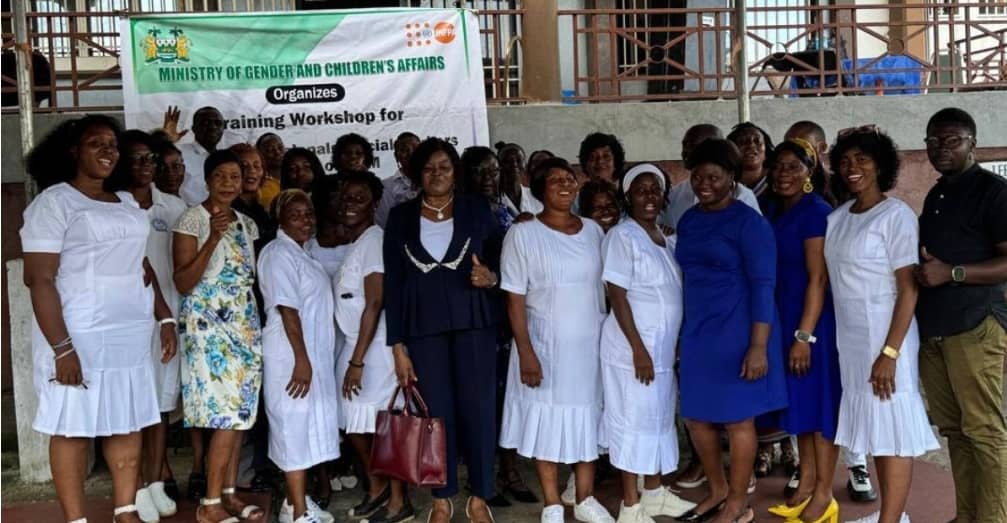
The Ministry of Gender and Children’s Affairs (MoGCA), in partnership with the United Nations Population Fund (UNFPA), recently concluded a transformative three-day workshop focused on eliminating Female Genital Mutilation (FGM) in Sierra Leone. Held from October 1st to 3rd, the training brought together a diverse group of health professionals, social workers, and representatives from the Family Support Unit (FSU) to strengthen national efforts against this harmful practice.
Key figures at the workshop included Ibrahim Kamara, Director of Planning and Policy; Marian Goodie Sowonie, Director of Gender; Dr. Joan H. Shepherd, President of the Midwifery Department at the College of Medicine and Allied Health Sciences (COMAHS) and lead facilitator; and Ibrahim Sorie Conteh, FSU Information Officer.
In his opening remarks, Dennis Koroma, Assistant Director at MoGCA, emphasized the importance of the workshop as a critical platform for dialogue and collaboration among stakeholders. Dr. Shepherd shared insights on the ideology and health implications of FGM, highlighting its association with increased maternal mortality. She urged participants to leverage the training for impactful community engagement.
Marian Goodie Sowonie recounted the harrowing experiences of FGM survivors, stressing the psychological trauma and social repercussions of the practice. She encouraged participants to share their own perspectives to foster empathy and deepen understanding.
Ibrahim Kamara presented on regional legal frameworks, including the Maputo Protocol and the African Charter on the Rights and Welfare of the Child, both of which advocate for the prohibition of harmful traditional practices.
During breakout sessions, FSU representatives Grace Mansaray and Susan M. Morsay proposed strategies for prevention, including enhanced community sensitization and partnerships with local NGOs and legal institutions. Health professionals, led by Halimatu Kamara, stressed the need for advocacy and stakeholder engagement, while social workers committed to supporting media campaigns and psychosocial assistance for survivors.
The second day of the workshop focused on analyzing strategies and challenges, with participants recommending strengthened legal frameworks, educational initiatives for girls, and mentorship programs to empower women.
Concluding the workshop, Bamie J. Sesay, Deputy Director of MoGCA, highlighted the necessity of coordination and shared responsibility in the fight against FGM. “Key roles and responsibilities must be shared to effectively end FGM,” he stated, reiterating the Ministry’s commitment to collaboration with health, law enforcement, and civil society partners.
The workshop concluded with a joint resolution declaring zero tolerance for FGM, marking a renewed national commitment to safeguarding the rights and well-being of women and girls in Sierra Leone.
For more information, contact Daily Scope Newspaper at dailyscopemedia@gmail.com.