By: Joseph Momoh, Daily Scope Reporter
Brussels is abandoning years of capacity-building for direct financial pressure. With “Bolle Jos” Leijdekkers named in the debate, the EU is signaling that aid will depend on security and legal cooperation, not promises.
The European Parliament has moved from warning to action, urging the European Commission to freeze €352 million in development grants to Sierra Leone unless the government stops cocaine trafficking through Freetown and hands over convicted EU fugitives.
The demand came in early June 2026, days after Spanish authorities seized nearly 40 tons of cocaine in late May that investigators linked to Freetown’s port. For MEPs, the shipment confirmed what they call systemic weaknesses in port security and law enforcement.
The €352 million covers EU budget support to Sierra Leone from 2021 to 2027. It funds hospitals, schools, rural roads and other essential services. Parliament now wants disbursements suspended until two conditions are met: end the flow of narcotics to Europe and extradite EU nationals convicted in absentia who are believed to be living in Sierra Leone.
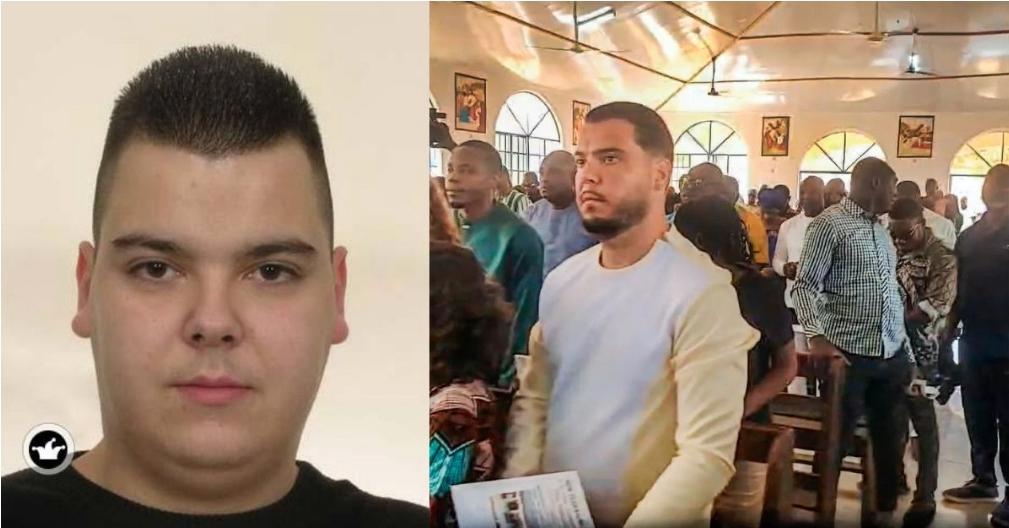
Dutch national Joseph “Bolle Jos” Leijdekkers has become the face of the dispute. Leijdekkers, sentenced to 24 years in the Netherlands for large-scale cocaine trafficking, is among several EU fugitives reportedly residing here.
The resolution marks a sharp policy shift. For years Brussels focused on technical assistance and capacity-building. The new stance replaces cooperation incentives with financial leverage.
While the European Commission holds final authority over aid, the Parliament’s vote raises political pressure. With drug seizures pointing to Freetown and international scrutiny rising, Sierra Leone faces a clear choice: cooperate on security and extradition, or risk losing funding that sustains key public services.
A suspension would hit health, education and infrastructure budgets immediately. It would also damage Sierra Leone’s reputation, shifting international perception from emerging partner toward transit-state risk.
Locally, pressure is mounting for a response. Citizens and civil society groups are calling on Sierra Leone’s Parliament to launch a public inquiry into port security, drug enforcement and the status of foreign nationals evading justice on local soil.
As Brussels deliberates, the stakes for Freetown are plain: reform and compliance, or the loss of one of its largest development partners.
_For more information contact Daily Scope Newspaper at dailyscopemedia@gmail.com