By Saidu Jalloh | D.S Reporter
Sierra Leone’s health system is staring at a major funding gap after Britain announced it will cut bilateral aid to the country from £16 million to £5 million over the next two years.
The reduction, which represents an 83 percent cut, is part of a wider UK decision to scale back aid spending globally. London says the shift is to move from grants to investment and technical support to help countries stand on their own.
But for Sierra Leone, the timing is critical. The country still depends on donor support to run key health services, including care for mothers and children, immunisation, and disease control.
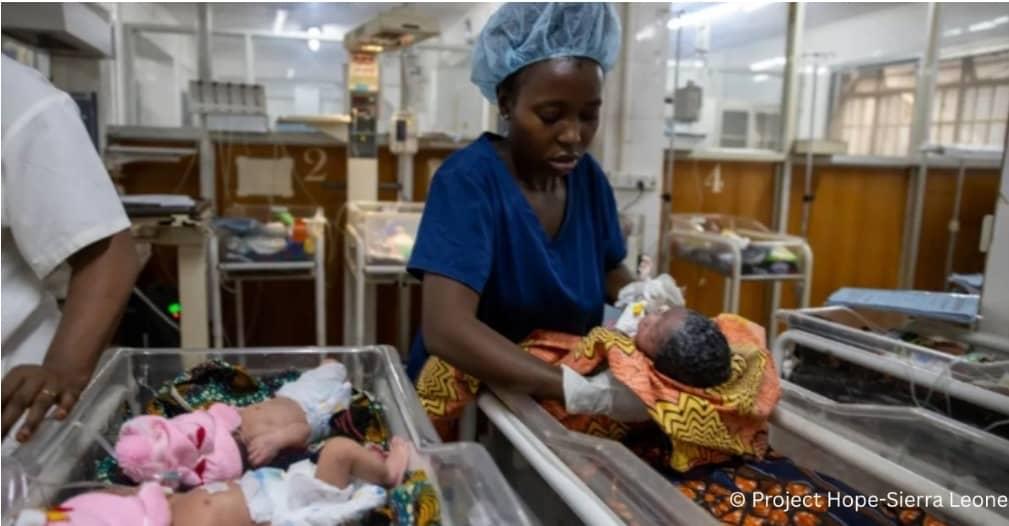
Since 2010, the Free Health Care Initiative has allowed pregnant women, nursing mothers and children under five to get treatment without paying. That policy has helped save lives.
UNICEF says under-five deaths have dropped significantly since 2009. The United Nations also reports that maternal deaths have fallen sharply since 2000, with further improvement recorded in recent years.
Health workers say the progress is not only because of free care. Better access to malaria treatment, vaccines, clean water and more staff in clinics have all played a part.
The worry now is what happens when donor money shrinks. Recent reports show that international partners still fund a large portion of health spending in Sierra Leone, while government contribution remains low. Many families also continue to pay for care out of their own pockets.
With UK support set to fall sharply, experts warn there could be shortages of drugs, pressure on nurses and doctors, and setbacks in maternal and child health services — especially in rural communities that rely on donor projects.
UNICEF and other partners say the country must keep investing in drugs, equipment and staff to protect the gains made so far. They are also urging government to mobilise more domestic resources and coordinate aid better.
The Ministry of Health and WHO are working on a plan to merge the Free Health Care Initiative and the Social Health Insurance Scheme into one agency. The goal is to make funding more efficient and sustainable.
The Ministry of Finance says with international aid declining, Sierra Leone will have to raise more of its own money to fund health and other priorities.
While the cuts do not automatically erase progress, they show how fragile the system is. The challenge now is to make sure patients do not end up paying more or losing access, and to build a health system that can survive with less foreign help.
For more information contact Daily Scope Newspaper at dailyscopemedia@gmail.com