By Kadijatu Bangura, Reporter, Daily Scope
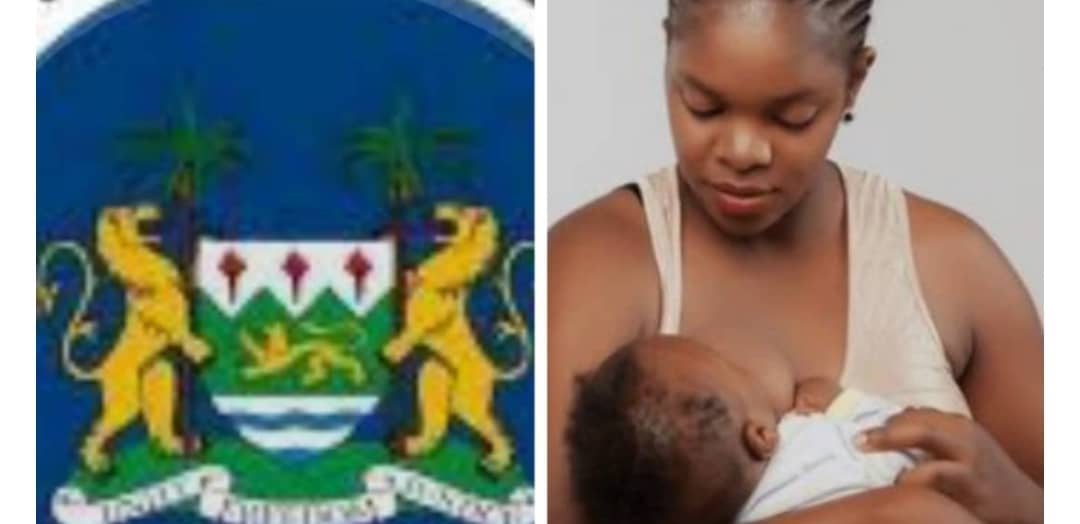
The Ministry of Health and Sanitation has announced that Sierra Leone has achieved a notable exclusive breastfeeding rate of 54%, a significant milestone in the nation’s healthcare efforts. This achievement aligns with the Sustainable Development Goals and was highlighted during the observance of World Breastfeeding Week (WBW) 2025.
This year’s theme, “Prioritize Breastfeeding: Create Sustainable Support Systems,” emphasizes the need for structures that support mothers and infants. Exclusive breastfeeding refers to feeding infants only breast milk—without any additional liquids or solids, except for prescribed vitamins or medications.
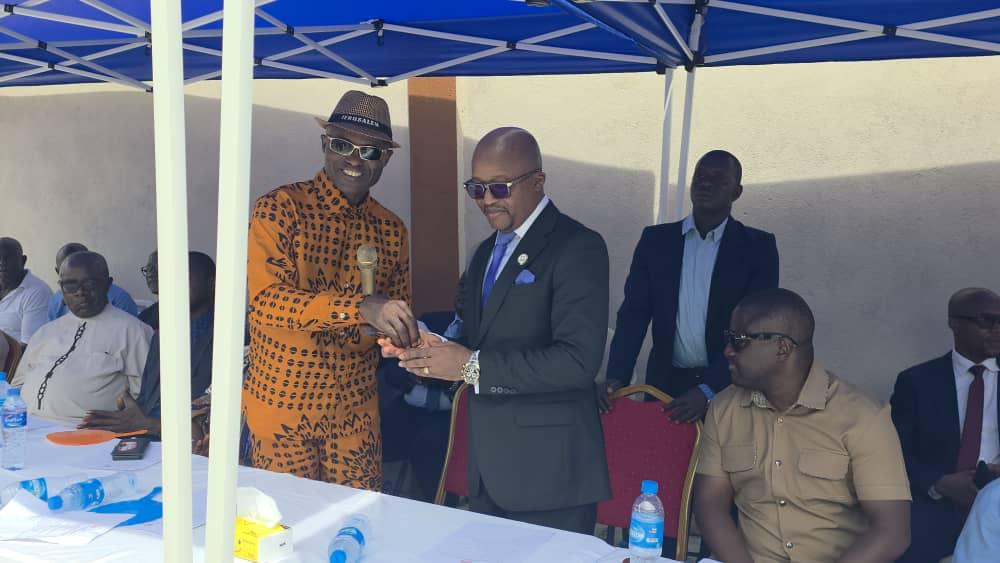
During the WBW celebrations, Deputy Health Minister Professor Charles Senesie attributed the improved breastfeeding rate to a comprehensive approach to healthcare in the country. He expressed optimism about reaching the World Health Assembly’s target of 70% exclusive breastfeeding globally.
“The journey of life is interconnected, which is why we have successfully reduced maternal mortality rates,” Senesie stated. “Our aim is to achieve zero preventable maternal deaths by 2030, and promoting breastfeeding is central to this vision.”
The Deputy Minister also highlighted the recent enactment of the Breastmilk Act, a legislative measure introduced under President Julius Maada Bio’s administration, aimed at promoting and safeguarding exclusive breastfeeding across the nation. He called for enhanced cooperation among healthcare professionals, community leaders, and families to further improve breastfeeding practices.
This year’s WBW events are organized under the global theme, focusing on the need for long-term structural and social support for nursing mothers. Various campaigns are taking place nationwide to raise awareness about the numerous health and developmental benefits of breastfeeding.
Liv Elin Indreiten, Deputy Representative of UNICEF in Sierra Leone, praised the country’s progress while encouraging continued efforts to meet the 2030 target of 75%.
“Breastfeeding is crucial for both mothers and children’s health worldwide,” Indreiten noted. “It requires a collective effort—health workers, families, and especially fathers—to create an environment conducive to successful breastfeeding.”
Millicent Gbenjen Allie, Chief Nutritionist at the Ministry of Health, echoed these sentiments, sharing her personal experience with exclusive breastfeeding. She urged new mothers to persevere despite any challenges and called on partners and families to take a more active role in supporting mothers.
“Supporting breastfeeding mothers is vital for securing the next generation,” Allie stated, emphasizing the necessity of prioritizing proper nutrition for both mothers and children. She cautioned against the rising consumption of junk food, labeling it a threat to national health progress.
While the breastfeeding rate in Sierra Leone shows improvement, it still falls short of the global benchmark. Health authorities and international partners underscore the importance of stronger workplace policies, public education, and ongoing investments in maternal and child health to ensure continued progress.
World Breastfeeding Week, celebrated annually from August 1 to 7, is a global initiative coordinated by the World Alliance for Breastfeeding Action (WABA) to raise awareness about the significance of breastfeeding and encourage action.
For more information, contact Daily Scope Newspaper at dailyscopemedia@gmail.com.