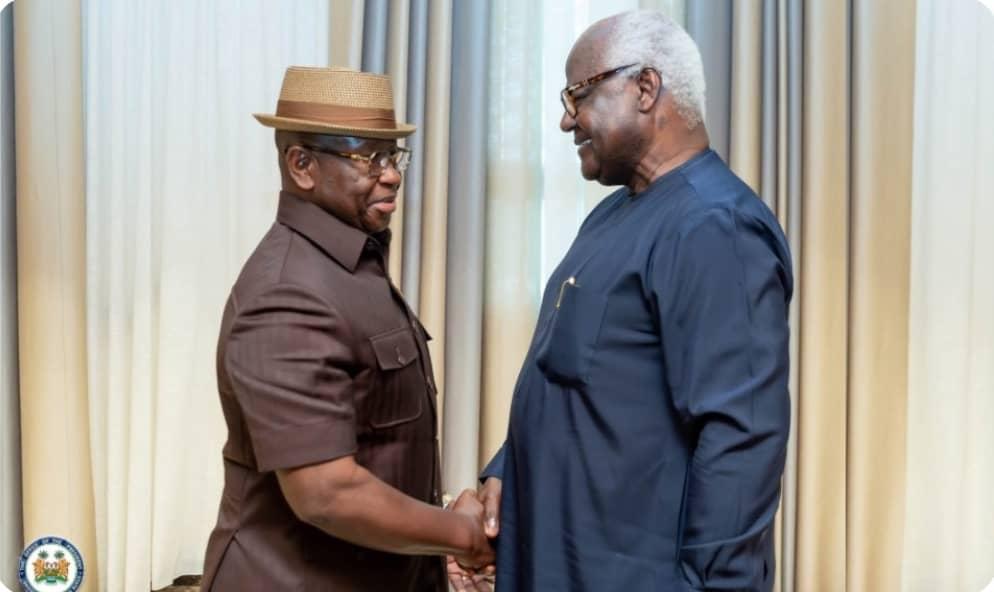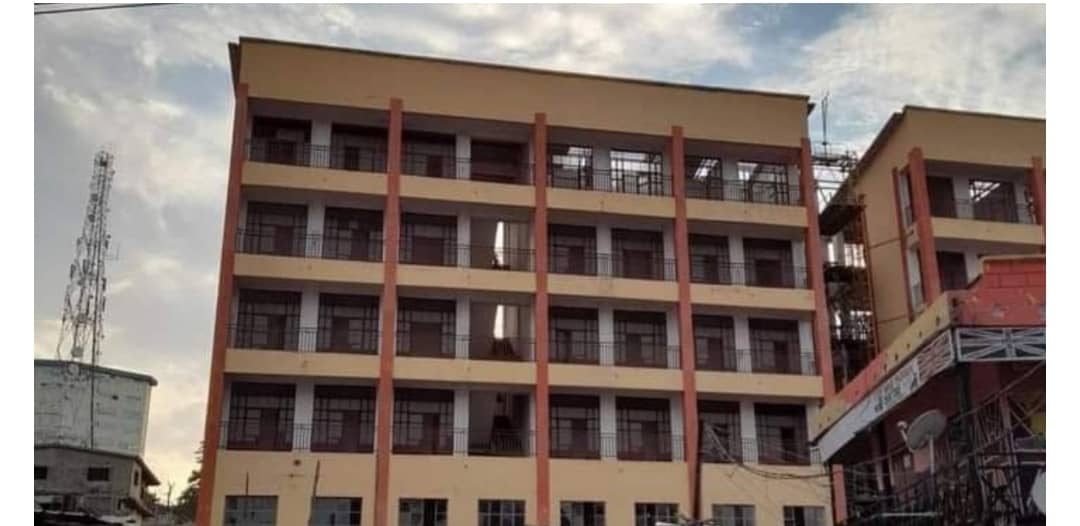
Freetown – Following the official launch of the Sewa Grounds Market by President Julius Maada Bio in September 2025, traders are voicing their concerns regarding the annual fee of NLe 6,000 for open stalls, a cost many consider prohibitive.
Constructed at an estimated value of over $20 million by the National Social Security and Insurance Trust (NASSIT), the market aims to enhance socio-economic development and alleviate street trading in Freetown’s Central Business District. However, just weeks after its inauguration, skepticism among traders is mounting, raising questions about the market’s accessibility and its intended benefits for the local business community.
Mohamed Gondoe, Acting Director General of NASSIT, defended the fee structure, asserting that the pricing was negotiated with the government and traders to ensure affordability. “We had to negotiate the price for the open store with His Excellency and the traders to ensure that the traders are able to afford the price,” Gondoe stated at a recent press conference.
Despite these reassurances, many traders remain dissatisfied, particularly those displaced during the market’s construction and relocated to Garrison, Rawdon, and Free Streets. Fudia Gbla, Chairlady of the Sewa Grounds Market, expressed disappointment, saying, “We had hoped the government would reduce the price of the open store. They say it’s the best price considering the investment, but many of us are struggling to raise that amount.”
The market was designed to address the chaos of street trading that has long disrupted major roads and pathways in Freetown. The Sierra Leone Road Safety Authority has consistently removed illegal structures in areas such as Dwarzark, Model, and Kingharman Road. However, traders argue that without more affordable options for formal stalls, the issue may persist.
“There’s a real fear that this market will only serve traders with capital,” warned one vendor currently selling local produce on Rawdon Street. “What happens to those of us who deal in small goods and can’t afford NLe 6,000 upfront?”
Charles Mambu, Chairman of Infrastructure for Development in Sierra Leone, acknowledged the significance of the investment but urged caution regarding its management. “We’ve seen multimillion-dollar projects collapse due to neglect. NASSIT must ensure strict oversight so that this market doesn’t fall into disrepair,” he advised.
The Sierra Estate Management Company has been tasked with managing the market and will oversee operations, including the criteria for stall allocation. The company’s General Manager has assured that the process will be transparent, prioritizing local traders in the distribution of application forms.
As the government promotes the Sewa Grounds Market as a solution for organized commerce and safer streets, traders are calling for a more inclusive approach that acknowledges their financial realities and ensures that no one is left behind.
The central question remains: will the Sewa Grounds Market fulfill its promise to support local traders, or will the NLe 6,000 fee create barriers for those it aims to assist?
For more information, please contact Daily Scope Newspaper at dailyscopemedia@gmail.com.