By Kadijatu Bangura, Reporter, Daily Scope
FREETOWN — Eric Massally, the Director of NGO Affairs in Sierra Leone, has lauded the Save Africa from Malaria Infection (SAFMI) for its pioneering approach to malaria prevention through the breeding of mosquito-eating fish, known locally as gumbi fish.
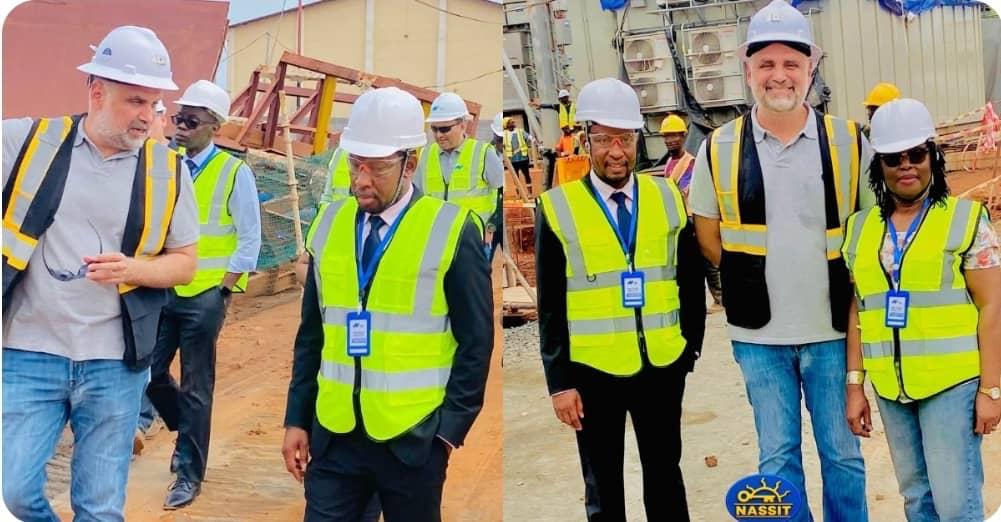
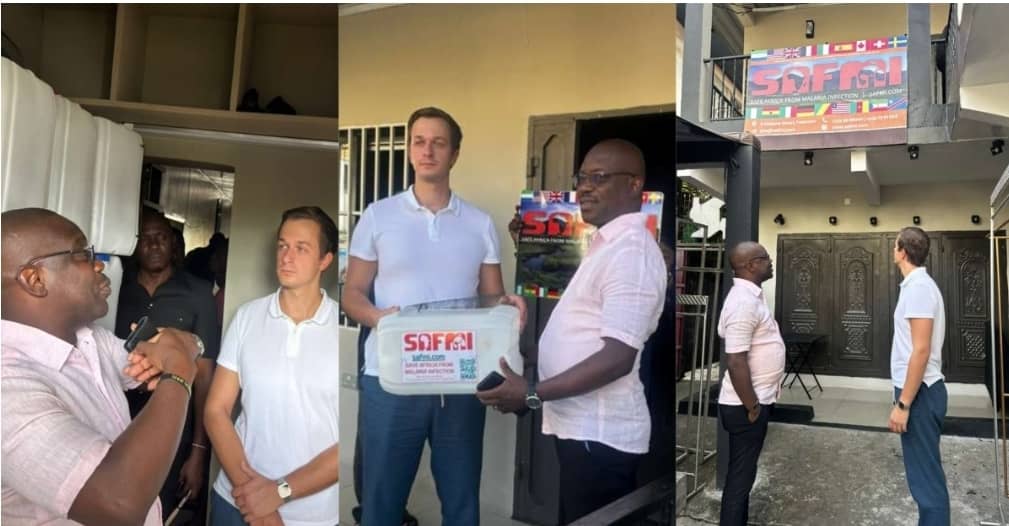
Mr. Massally made his remarks during a tour of SAFMI’s newly established facility at 8 Walpole Street, Freetown, which serves as a central hub for fish breeding and research. The facility not only contributes to health initiatives but also provides employment and training opportunities for local residents.
Impressed by the operations, Massally referred to SAFMI’s initiative as a “wonderful and preventive approach” and encouraged its replication across various districts. “This is a preventive strategy that can transform our fight against malaria,” he stated. He emphasized the importance of involving local communities and integrating the initiative into educational curricula to ensure its sustainability. Massally committed to including the SAFMI initiative in his upcoming district engagements across six regions and announced plans for awareness campaigns focused on malaria prevention through fish breeding.
Artem Volchenko, CEO of SAFMI, explained that the organization, formally established in November 2024, aims to eradicate malaria in Africa, starting with Sierra Leone. The country was chosen due to its high malaria infection rates and the government’s openness to innovative solutions. SAFMI utilizes gambusia fish, a species capable of consuming up to 100 mosquito larvae daily, making them effective in combating malaria.
These fish are bred and distributed in specially designed water tanks placed in schools, hospitals, mosques, and rural communities across the country. The tanks are maintained weekly or bi-weekly by either local caretakers or SAFMI’s maintenance teams.
Volchenko reported that within six months of operation in 2024, SAFMI’s efforts resulted in a reduction of 50,000 malaria cases in targeted areas. He anticipates an even greater decrease in 2025 as the initiative expands further. “All our services, including the tanks, fish, and food, are provided free of charge,” he emphasized. “We operate on a non-profit model because our mission is to save lives, not to generate profit.”
He projected that Freetown could achieve malaria-free status within three to five years, with future plans to establish self-sustaining fish farms in Kenema, Bo, and Makeni.
Alhaji Dauda, a senior representative of SAFMI, elaborated on the community training component of the project, which empowers local residents to care for the fish and maintain the tanks. Each community identifies a responsible individual for training in proper fish handling, water changing, tank cleaning procedures, and feeding schedules. “Our goal is for fish care to become a part of everyday life,” Dauda stated. “We want people to remember to feed the fish just as they remember to drink their morning coffee.”
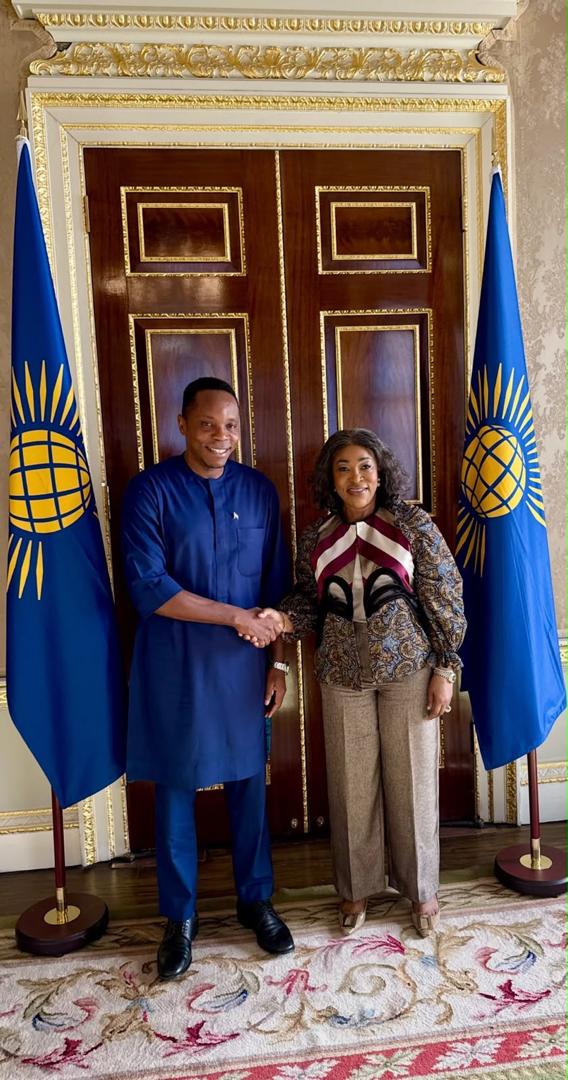
Addressing SAFMI staff and stakeholders, Director Massally reaffirmed the government’s commitment to support the initiative and promised close collaboration to scale the program nationally. He underscored the importance of preventive healthcare, emphasizing that “prevention is better than cure.” Massally noted that effective malaria prevention could reduce the national disease burden and offer long-term health benefits.
The event concluded with a tour of the facility’s breeding and research sections, attended by representatives from the National Malaria Control Programme, media members, and SAFMI staff. With growing recognition from government and health authorities, SAFMI’s gumbi fish initiative represents a groundbreaking step toward a malaria-free Sierra Leone, merging science, community engagement, and sustainable development.
For further inquiries, please contact Daily Scope Newspaper at dailyscopemedia@gmail.com.