By Saidu Jalloh, D.S. Reporter
FREETOWN — The Ministry of Water Resources and Sanitation has uncovered safety lapses in several private water production companies in Freetown and the Peninsula following a five-day monitoring exercise that covered 41 facilities across the capital.
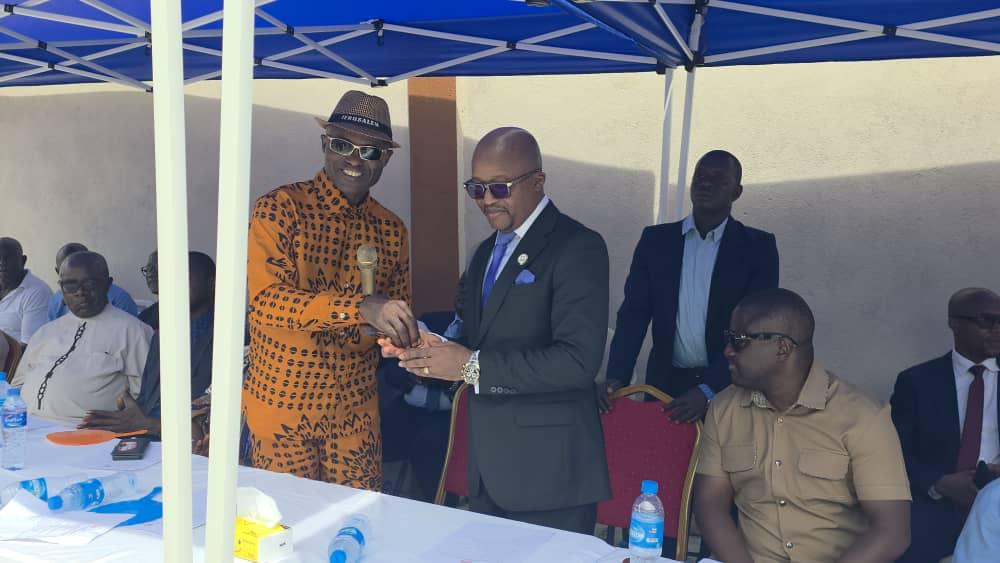
The inspection, conducted from August 18 to 22, 2026, was carried out by officials from the Ministry, the Water Directorate, the Sanitation Unit, the Water Union and the Sierra Leone Water Regulatory Commission. The teams assessed production plants in central, western and eastern Freetown as well as communities on the peninsula.
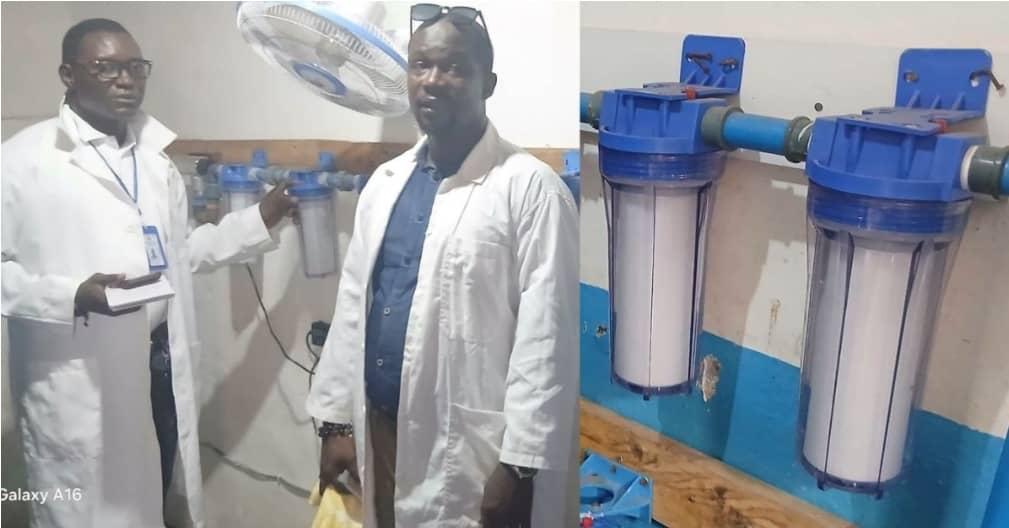
The exercise examined water quality, hygiene and sanitation conditions, production equipment, filtration systems, ultraviolet treatment units, storage tanks, pH levels, chlorine residuals, fumigation records, waste management, wastewater disposal and regulatory documentation.
The findings showed varying levels of compliance. While some facilities demonstrated strong practices including clean production environments, functioning UV treatment systems, regular tank maintenance, proper waste management and complete regulatory documentation, others were found with serious gaps requiring immediate attention.
Hygiene and sanitation were among the major areas of concern. Inspectors found that some facilities lacked adequate drainage, environmental controls and proper hygiene systems. There were also weaknesses in filter maintenance, water-quality monitoring, fumigation, wastewater disposal and general waste management.
The monitoring teams also observed inadequate chlorine monitoring at several facilities. In some cases chlorine levels were recorded at zero, and some operators had no records of chlorine testing. pH readings across the facilities ranged from approximately 6.2 to 6.8, with some plants recording lower-range results that require further technical assessment and corrective measures.
The Ministry has urged all water-production companies to strengthen internal quality-control systems, maintain clean production environments, regularly inspect and replace filters, document water-quality testing and ensure that only authorized personnel enter production areas.
During the exercise, operators requested additional training and technical support in water treatment, hygiene management, equipment maintenance and regulatory compliance.
The Ministry said the monitoring forms part of broader efforts to protect public health by ensuring that water placed on the market meets acceptable safety and quality standards. Officials added that follow-up inspections will be conducted and regulatory action will be taken against companies that fail to comply.
_For more information contact Daily Scope Newspaper at dailyscopemedia@gmail.com