By Saidu Jalloh, Reporter D.S
Sierra Leone’s population heavily relies on rice as a staple food, yet the country struggles to produce enough to meet its domestic needs. Consequently, the government faces significant financial pressure, spending millions annually on rice imports from Asia to satisfy demand.
Since the end of a decade-long civil war in 2002, various administrations have implemented initiatives aimed at boosting agricultural productivity. Despite these efforts, the agricultural sector remains largely unproductive and continues to face considerable challenges.
The current administration, led by President Maada Bio, has launched the Feed Salone Project, a five-year initiative designed to achieve food sufficiency and security in the country. The government asserts that this project will enhance agricultural productivity and empower local communities, ensuring a stable food supply for all.
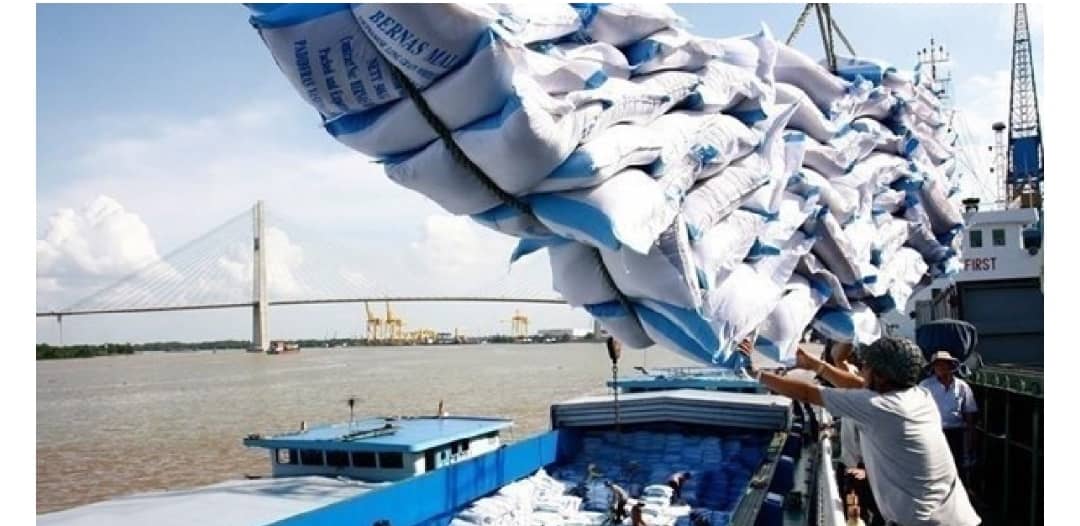
Minister of Agriculture Henry Kpaka highlighted a significant gesture from the Chinese government, which gifted Sierra Leone 1,114 metric tonnes of rice over the past three years in the form of 21 shipments. This revelation emerged during a recent radio interview where Kpaka discussed ongoing reforms in the agricultural sector.
However, this information has sparked discussions and raised important questions regarding the government’s handling of the rice. Allegations have surfaced that the government has been selling the rice to dealers, leading to a decline in market prices. This situation echoes past experiences, notably during the Ahmad Tejan Kabbah administration, which faced criticism for mismanaging two shipments of rice from the Libyan government.
Experts emphasize the need for practical solutions to improve agriculture in Sierra Leone, asserting that meaningful change occurs in the field rather than through theoretical plans. As the Feed Salone Project unfolds, the success of these initiatives will be closely monitored, particularly in light of ongoing challenges within the agricultural sector.
For more information, contact Daily Scope Newspaper at dailyscopemedia@gmail.com.