By Kadijatu Bangura, Reporter
A UN human rights delegation has warned that Sierra Leone’s monitoring capacity is under strain without a permanent advisor in the country, even as national institutions continue to show resilience.
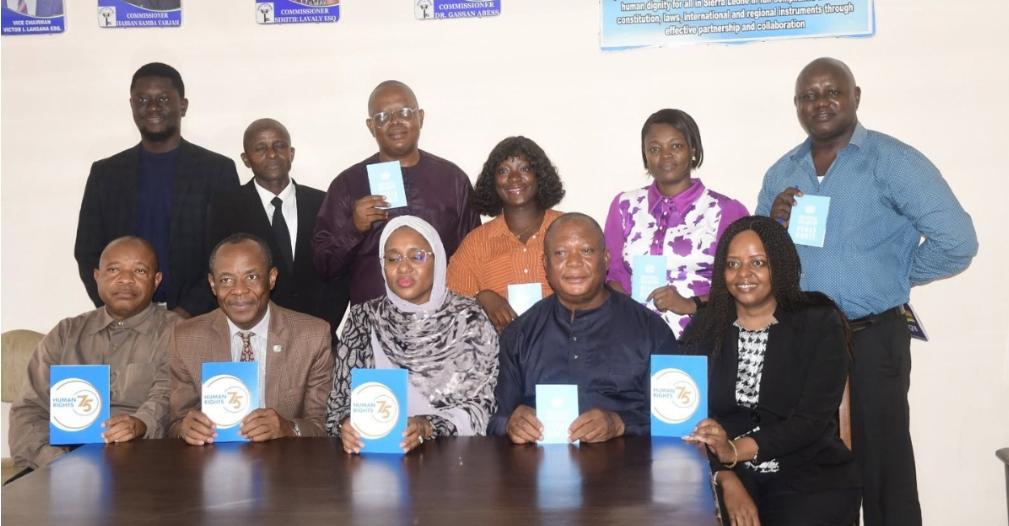
The OHCHR West Africa team, led by Rodent Katchoni, concluded a consultative visit this week. The team said regional support from the OHCHR office in Senegal has taken on more responsibility for Sierra Leone’s rights framework.
Officials commended ongoing national efforts but noted that the absence of a sustained in-country presence is affecting continuous monitoring and rapid response. They stressed that long-term, locally based support remains critical for grassroots protection and engagement with government and civil society.
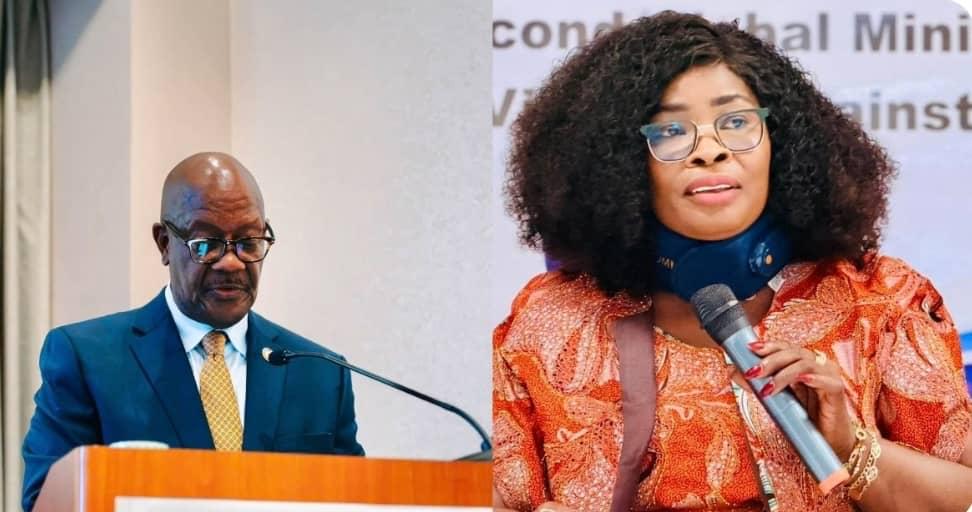
Human Rights Commission of Sierra Leone Commissioner Hassan Samba Yarjah told the delegation that District Human Rights Committees now serve as HRCSL’s frontline. He said the committees are key for early warning and intervention in hard-to-reach communities where formal justice is limited.
Both OHCHR and HRCSL officials agreed the district structures need consistent funding, training and logistics to expand nationwide coverage.
The HRCSL’s “A-Status” accreditation was reaffirmed as a sign of credibility. But discussions focused on moving beyond status to action. Officials emphasized stronger implementation of international obligations, including turning Universal Periodic Review recommendations into national reforms and improving treaty reporting.
OHCHR pledged more tailored capacity-building to help the Commission maintain accreditation and improve performance. Officials said the approach is shifting from symbolic endorsement to practical, programmatic support.
The Commission’s Directorate of Treaty Bodies Reporting and International Mechanisms, set up in 2022, was highlighted as a key reform. It has improved coordination on international reporting and SDG monitoring. OHCHR also acknowledged HRCSL’s role in validating its shadow report for Sierra Leone’s recent UPR review.
The meeting ended with agreement to deepen cooperation and prioritize district-level protection. Stakeholders said the immediate priority is turning commitments into funded programmes, structured training, and sustained monitoring systems.
Attendees included HRCSL Deputy Executive Secretary Frederick Ibrahim Kamara, Director of Gender and Children’s Affairs Ann-Marie Balboa, and Vicky Karimi, Institutional Development Advisor at the UN Resident Coordinator’s Office.
For more information contact Daily Scope Newspaper at dailyscopemedia@gmail.com