By Kadijatu Bangura, Reporter, Daily Scope
Sierra Leone’s domestic revenue is expected to reach NLe 22.2 billion by 2026, reflecting an increase from NLe 17.9 billion in 2025, according to Finance Minister Sheku Ahmed Fantamadi Bangura. This revenue will account for approximately 11.8 percent of the country’s Gross Domestic Product (GDP).
The Minister made this projection during the presentation of the government’s 2026 budget and its economic strategies to Parliament on November 28, 2025. The theme of the budget highlights “Enhancing Domestic Revenue Mobilisation for Sustained Economic Stability and Improved Service Delivery.”
In detailing the anticipated sources of revenue, Minister Bangura outlined that income taxes are expected to generate NLe 8.3 billion, while Goods and Services Tax (GST) is projected at NLe 3.9 billion. Customs and Excise duties are forecast to contribute NLe 5.5 billion, with mineral revenues expected to hit NLe 1.3 billion. The Treasury Single Account (TSA) aims to generate NLe 1.6 billion, and road user charges and vehicle licenses will account for NLe 671.2 million.
Additionally, external grants from development partners are anticipated to reach NLe 3.8 billion, making up 2 percent of GDP. This figure includes NLe 1.8 billion in budgetary support from institutions such as the World Bank, the European Union, and the African Development Bank, alongside NLe 2.0 billion in project grants.
In total, revenue and grants for 2026 are projected at NLe 25.9 billion, or 13.8 percent of GDP. The Finance Minister emphasized the government’s commitment to enhancing domestic revenue mobilization through progressive tax measures while exploring innovative revenue sources.
Bangura reaffirmed the government’s focus on prudent fiscal management, stating that efforts will be made to maintain inflation in the single-digit range, stabilize the exchange rate, and address vulnerabilities in national debt. He also stressed improving the business environment and enhancing the well-being of citizens.
Key objectives of the budget include continued support for the Feed Salone Initiative, aimed at boosting food production, improving food security, creating jobs, and increasing rural incomes. Investment in human capital development remains a priority to cultivate a skilled and healthy workforce.
Major infrastructure investments—targeting roads, energy, water supply, and technology—are also part of the budget strategy to enhance the business climate and attract investments. The government aims to streamline public sector operations and strengthen governance institutions as central components of its economic plan.
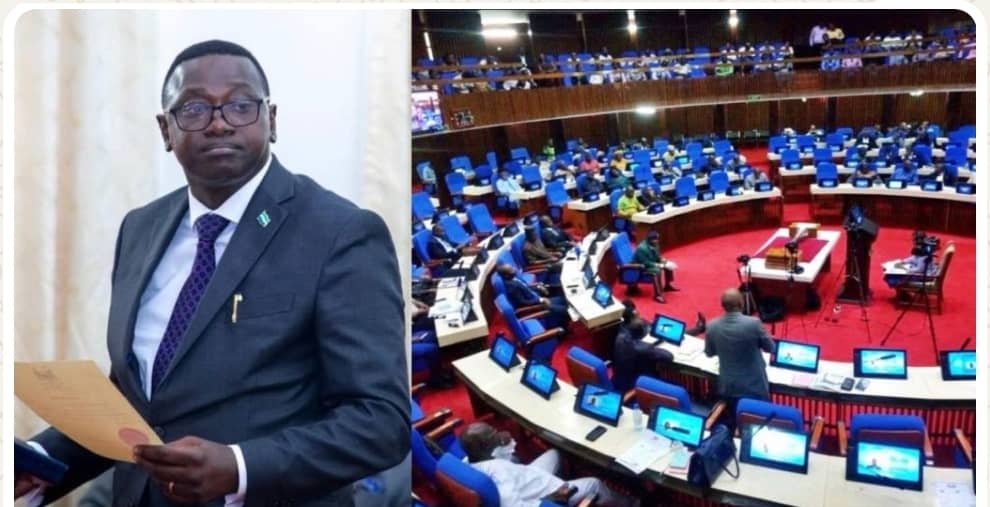
The proposed budget has been submitted for parliamentary review, where members will assess the revenue and expenditure plans to ensure they align with national priorities. Speaker of Parliament, Honourable Segepoh Thomas, emphasized the importance of participation from all Ministries, Departments, and Agencies (MDAs) in the upcoming budget debate set for December 3, 2025, warning that failure to send a senior representative could result in budget cuts.
For further inquiries, please contact Daily Scope Newspaper at dailyscopemedia@gmail.com.